A Forecaster book proposal
By Kevin L. Michel
Digital PDF edition
Power & society · A BOOK PROPOSAL
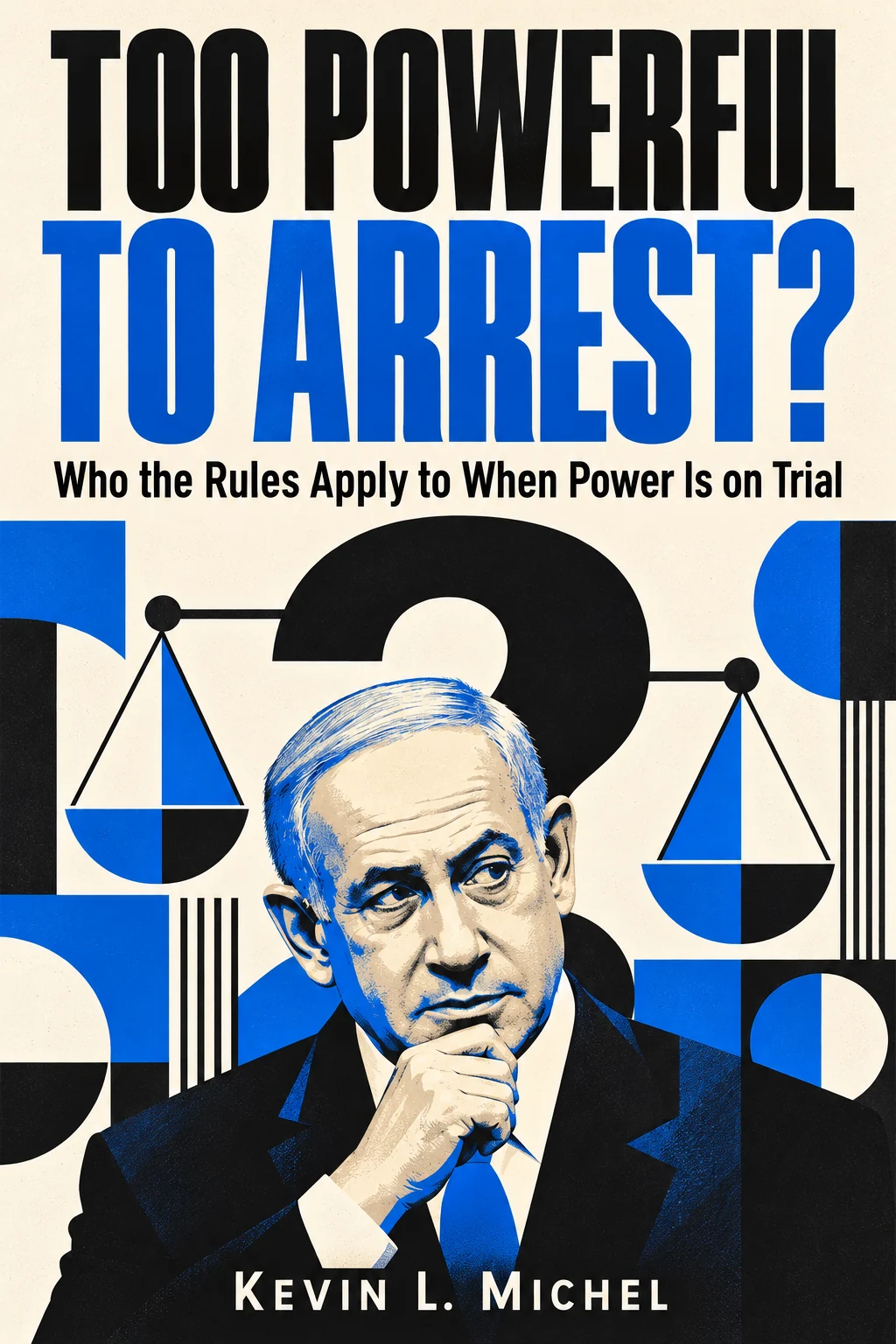
TOO POWERFUL TO ARREST?
Who the Rules Apply to When Power Is on Trial
A proposed explanation of the distance between an allegation, an arrest warrant, a trial, and enforcement across borders. Beginning with questions raised by the Mamdani–Netanyahu dispute, the book would examine the roles of municipal officials, national governments, international courts, and treaty obligations. It would set out the competing legal arguments around jurisdiction, official immunity, sovereignty, and cooperation, and distinguish those arguments from political statements. Comparative cases would explore why similar accusations can lead to different procedures and outcomes. The inquiry concerns how institutions operate; it would not presume criminal guilt or suggest that any official can exercise powers the law does not provide.
$25USD · Digital PDF
One-time purchaseDelivered within 24 hours of accepted payment.
This book is a proposal. Your order starts production, and your finished PDF will appear in My books.
Payment through StripeNo subscription
Digital PDF. Copyright stays with the author.
Read the refund policyA little extra for the first reader
The first person to commission this title receives a few personal touches, included in the $25 price.
- A place in the acknowledgements. Choose a name for “First commissioned by…” in this book and any future editions Kevin publishes, or stay anonymous.
- A personal dedication. Have your private PDF dedicated to you or someone you love.
- A question to explore. Suggest one question within the proposal’s scope. Kevin makes the final editorial decisions.
- Two digital gift copies. Keep your copy and privately send the finished PDF to two people.
For the first paid commission of this title. Personal touches are optional; you can add your preferences at checkout. Details
Inside the proposed edition
- An allegation is not a verdict: the stages of a case
- Who can issue a warrant, and who can execute it?
- The International Criminal Court and the Rome Statute
- Sovereignty, treaty membership, and domestic authority
- Official immunity and international visits
- The Mamdani–Netanyahu dispute: statements and legal powers
- Comparing enforcement, cooperation, and contested cases
- Reading accountability claims without skipping due process
The idea behind the book +
Reuters’ July 2026 legal explainer reports that New York’s mayor lacks authority to execute the ICC warrant against Benjamin Netanyahu, discussing US law, immunity, and the United States’ non-membership in the court. The Rome Statute establishes a separate legal framework for the ICC. These sources show why a public call for arrest must be distinguished from the legal authority and procedures required to carry one out.